
Automation Revolution Unleashed: How AI and Robotics Are Driving Efficiency
Introduction
Rapid advances in robotics and automation revolution will revolutionize industries around the world. From automated manufacturing systems to AI-driven robots, these technologies change the way companies operate and improve efficiency in a variety of sectors. The integration of robotics and automation is not only about replacing human workers, but also about improving accuracy, scalability, and productivity.
This comprehensive guide explores robotics and automation, your benefits, challenges, and future trends while explaining applications in different industries.
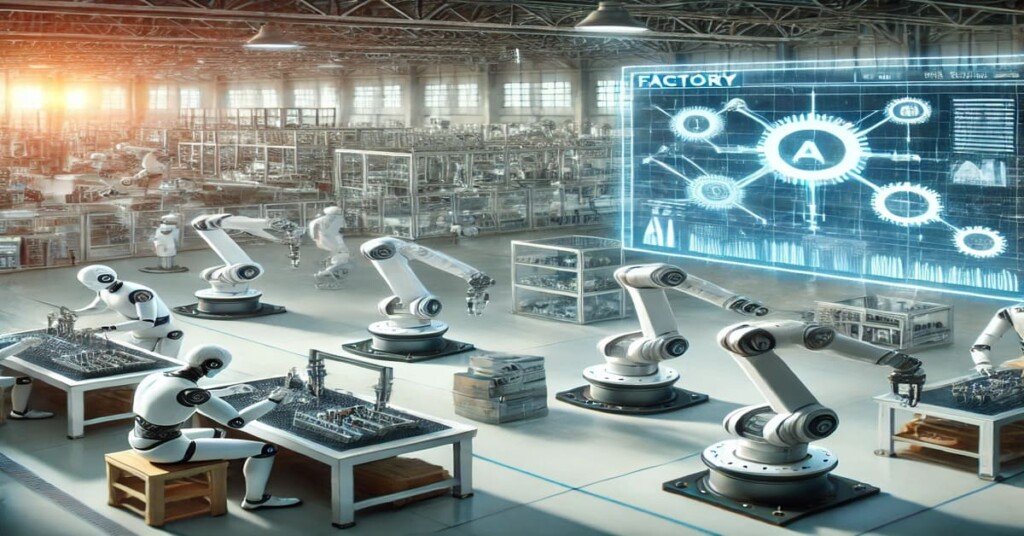
Understanding Robotics and Automation
What is a Robot?
Robotics is a technology branch focused on robot design, design, and operation. These machines are programmed so that certain tasks can be performed efficiently in industrial environments, healthcare, and even space research.
What is automation?
Automation Development
Early Automation Day
Automation revolution has been around for centuries and is attributed to the invention of mechanical tools and automated machines. Some important milestones in early automation include:
Old water clocks and windmills: used in older civilizations to automate time measurements and irrigation.
Industrial Revolution (18th century): revolutionized the introduction of steam engines and the production of mechanical looms.
Automation of Assembly Lines (20th Century): Henry Ford’s car assembly line increased production efficiency and speed.
Modern Automation and AI Integration
The 21st century has changed the changes in mechanical automation of intelligent automation through AI and robotics:
Robot Process Automation (RPA): Software that automates repetitive digital tasks.
AI-driven decision-making: an AI control system that optimizes supply chain and business operations.
Internet of Things (IoT) and Smart Automation: Devices that communicate and operate autonomously.
What is automation in the world today?
Definition of Automation
Automation relates to the use of technology to perform tasks with minimal human intervention. This includes mechanical systems, software solutions, and AI control tools to improve efficiency in various industries.
Automation Application
Automation is available in several sectors and affects both businesses and individuals:
Manufacturing and Industrial Automation
Repeated tasks in the automotive and electronic industries expire.
AI quality control improves product inspection and defect recognition.
Health and Medical Automation
AI-controlled diagnostic system improves medical imaging and disease detection.
Automatic robot operation improves the accuracy of complex medical procedures.
Finance and Banking Transactions
Automatic fraud detection helps prevent financial crimes.
AI-powered chatbots handle customer inquiries and banking.
Retail and e-commerce
Self-checking system reduces customer latency.
Personalized recommendation engine.
Smart City and Transport
Self-driving vehicles improve traffic safety and transportation efficiency.
AI-driven traffic management systems optimize city mobility.
The Future of Automation
AI and Hyper Automation
AI-controlled automation revolution leads to self-learning systems that adapt to new challenges.
Hyper Automation integrates AI, RPA, and IoT for seamless business activities.
Robotics and Human Collaboration
Future Automation focuses on cobots that work together next to people.
AI supports decision-making rather than completely replacing human workers.
Ethical and Social Impacts of Automation
The government must be determined for ethics and regulation.
Automation demands a reorganized workforce dedicated to restructuring workers for the purpose of AI control.
Limitations and Issues of Automation
Transition in the Workplace
More automation can lead to job loss for low-qualified positions.
Firms have to reskill workers in technical positions.
The Cybersecurity Risk
Automated systems are particularly vulnerable to all forms of cyberattacks, which may lead to heavy data breaches and damages.
To provide the protection and security of your business, you need to have a whole security system with the capability of artificial intelligence.
Overriding Automation Process
Over automation can decrease human inventiveness and development.
Companies ought to adjust computerization and human supervision.
Robotics and Automation Uses
AI-based decision-making frameworks optimize generation plans.
Independent frameworks create and learn without human interaction.
Programmed industrial facilities can work with negligible or no supervision from human administrators.
Sustainable and Environmentally Friendly Production
Green robotization innovation brings down carbon emanations.
Resource-efficient AI calculations minimize asset utilization.
Mechanized reusing boosts the circular economy.
Collaboration Between Humans and Machines
Collaborative robots (cobots) offer assistance people and machines coexist and work together.
AI Control Preparing Programs plan workers for robotization.
Virtual reality (VR) and expanded reality (AR) upgrade preparing in savvy industrial facilities.
Industrial Automation Risks and Challenges
Workforce and Workplace Development
Computerization improves productivity but may cause work relocation in conventional fabricating parts.
Reskilling programs are basic to get ready specialists for high-tech occupations.
Cybersecurity Risk
IoT-connected frameworks are helpless to cyberattacks.
AI-managed risk location must guarantee unauthorized get to avoidance.
Steep Initial Investment Cost
Dynamic robotization requires significant monetary speculation.
Return on speculation (ROI) calculations must guarantee benefit.
Health and Medical Robotics
Automated surgery utilizes cutting-edge advances just like the Da Vinci framework for negligibly obtrusive strategies.
Computerized sedate containers progress pharmaceutical dispersion precision.
Robot exoskeletons help people with inabilities.
AI-based diagnostics upgrade illness location accuracy.
Understanding Care Robots help elderly and debilitated people with every day errands.
Agriculture and Intelligent Farming
Independent robots and tractors boost cultivating efficiency.
Rambles screen trim wellbeing and give real-time soil and water system information.
Robotized water system guarantees ideal water utilization.
AI-driven bother location decreases pesticide utilize.
Vertical cultivating mechanization progresses urban horticulture yield.
Logistics nd Supply Chain Automation
Independent robots improve distribution center arrange fulfillment speed.
Robotized Guided Vehicles (AGVs) transport merchandise proficiently.
AI-driven stock administration predicts request and decreases squander.
Mechanical sortation frameworks progress bundling and shipping forms .
Conclusion
Mechanical technology and mechanization are changing businesses, making a more effective, exact, and adaptable future. Whereas challenges such as work uprooting and cybersecurity dangers exist, the benefits distant exceed the disadvantages when executed capably.
As innovation progresses, the cooperative energy between human insights and mechanized frameworks will characterize the following period of mechanical advancement. The key to a effective move is receiving mechanical technology and robotization whereas guaranteeing moral and maintainable integration into society.
With proceeded development and mindful improvement, mechanical autonomy and robotization will open unused conceivable outcomes, making the world more associated, beneficial, and cleverly.